
The evolution of gambling A historical journey through time
Ancient Beginnings
The history of gambling can be traced back thousands of years, with evidence suggesting that ancient civilizations engaged in games of chance. Archaeological findings from China dating back to around 2300 BC indicate the existence of rudimentary dice games, while evidence from ancient Mesopotamia shows that people used betting as a form of entertainment. These early forms of gambling often involved rituals or were tied to religious practices, demonstrating the deep cultural significance of chance-based activities. Many enthusiasts today, like those at hadesbet-casino.uk, recognize this foundational aspect of gambling’s psychology.
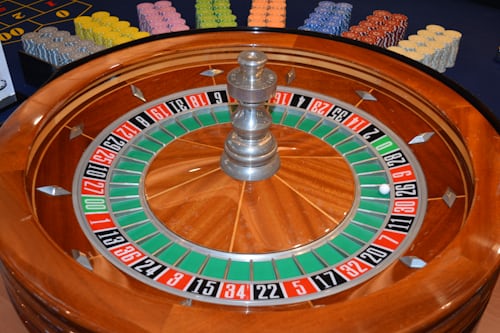
In ancient Rome, gambling became a widespread pastime among citizens, transcending social classes. The Romans introduced various betting games, including board games and dice, often played during festivals and public events. These activities were not merely for amusement; they were also an integral part of social life, reflecting societal values and camaraderie. Such early examples of gambling laid the foundation for the more structured betting systems that would evolve in later centuries.
The significance of gambling in ancient cultures was not limited to entertainment; it was also tied to the economy. The use of tokens and betting in ancient Greece illustrates how gambling activities contributed to local economies. As societies grew, the need for regulation became apparent, leading to the development of laws governing gambling. Thus, the historical roots of gambling are intertwined with human civilization, reflecting its evolution from a simple pastime to a complex social phenomenon.
Middle Ages and Renaissance
The Middle Ages saw a shift in gambling practices, with a resurgence of games like dice and card playing, often enjoyed by nobles and commoners alike. This period also marked the introduction of the first formal gambling houses, known as gaming houses, which emerged in Europe. These establishments began to codify rules and set odds, creating a more structured environment for gambling. During this time, the Church often condemned gambling, viewing it as a vice, yet this only fueled its allure among the populace.
The Renaissance era brought about significant changes in gambling, coinciding with the invention of playing cards in the 14th century. This innovation gave rise to various card games that became incredibly popular across Europe. The development of the lottery in Italy during this time exemplified a more organized approach to gambling, where public participation was encouraged, and proceeds were often used for public works. This new dimension of gambling reflected a growing acceptance and understanding of games of chance as a form of entertainment.
Gambling during the Renaissance also witnessed the emergence of professional gamblers, who began to develop strategies and systems to enhance their chances of winning. This period highlighted the psychological aspects of gambling, as players began to understand the importance of odds and probabilities. The combination of skill and chance added a new layer of complexity to gambling, setting the stage for future developments in the world of betting.
The Birth of Modern Gambling
The 18th and 19th centuries heralded the modern era of gambling, characterized by the establishment of casinos and the formalization of gaming regulations. The first official casino opened in Venice in 1638, but the concept gained momentum with the establishment of more casinos across Europe and eventually in the United States. These venues offered an array of games, from roulette to baccarat, attracting a diverse clientele and solidifying gambling as a mainstream activity.
The emergence of betting on horse racing became a defining feature of modern gambling culture. The first organized horse races in England led to the creation of betting pools, where spectators could wager on their favorite horses. This not only popularized gambling but also introduced the concept of odds-making, which has become a staple in modern betting. The link between sports and gambling evolved, leading to widespread betting practices that are still prevalent today.
Technological advancements during this period significantly impacted gambling practices. The invention of the telegraph allowed for real-time updates on sporting events, revolutionizing how people placed bets. This era also saw the growth of illegal gambling operations as demand increased, leading to government efforts to regulate and tax the industry. The tension between regulation and the desire for freedom in gambling continues to shape the landscape today.
Digital Revolution and Online Gambling
The late 20th century marked a seismic shift in the gambling industry with the advent of the internet. Online gambling emerged in the mid-1990s, allowing players to place bets from the comfort of their homes. This newfound accessibility opened the floodgates to a new generation of gamblers, who could now engage with various games and betting platforms at any time. Online casinos quickly gained popularity, with a vast array of games and generous bonuses designed to attract new players.
The rise of mobile technology further transformed the gambling landscape, enabling users to play on smartphones and tablets. This shift has made gambling more accessible than ever, allowing users to gamble anywhere and at any time. The online gambling industry has grown exponentially, with numerous platforms offering diverse gaming experiences, including live dealer games that simulate the casino atmosphere. This evolution underscores the changing dynamics of gambling, driven by technology and user preferences.
The psychology of gambling also evolved during this digital age, as the lure of online betting and gaming attracted millions. Operators began to implement sophisticated marketing strategies, focusing on user engagement through rewards and promotions. This has led to discussions around responsible gambling and the psychological impacts of easy access to gambling. As the industry continues to grow, understanding the psychological aspects of gambling becomes increasingly essential for players and operators alike.

Exploring Hades Bet Casino
In this ever-evolving landscape of gambling, Hades Bet Casino stands out as a prime destination for online gaming enthusiasts. Offering an extensive collection of games, ranging from popular slots to immersive live dealer experiences, Hades Bet Casino caters to diverse preferences. The user-friendly interface ensures that players can navigate through various gaming categories with ease, making the experience enjoyable for both new and seasoned players.
What sets Hades Bet Casino apart is its commitment to rewarding players with enticing promotions and bonuses. With a remarkable welcome bonus of up to €15,000 and 300 free spins, the platform attracts gamers seeking value alongside entertainment. Such offers enhance the overall gaming experience, providing players with opportunities to explore the vast array of games available on the site.
As the gambling industry continues to evolve, Hades Bet Casino exemplifies a modern approach to online gaming. With a focus on user satisfaction and innovative gaming solutions, the platform aims to provide a comprehensive and enjoyable environment for players. As such, it contributes to the rich tapestry of gambling history, embodying the advancements that have shaped the industry over time.
